
When it comes to gear, the lens matters more than the camera body—a great lens can outlast multiple bodies and dramatically shape your images. While there’s no one-size-fits-all best lens for boudoir photography, lenses from 24mm to 200mm can all deliver stunning results, each offering a different look to suit a specific purpose. In this post, I’ll help you choose your first boudoir lens or round out your kit so you can give your clients more variety from their session. I’m not diving into brand debates—just focusing on the focal lengths that help you create.
This post may contain affiliate links, meaning I get a commission if you decide to make a purchase through my links at no cost to you. Please read my disclosure for more info.
Lenses I Use On Just About Every Boudoir Photo Shoot
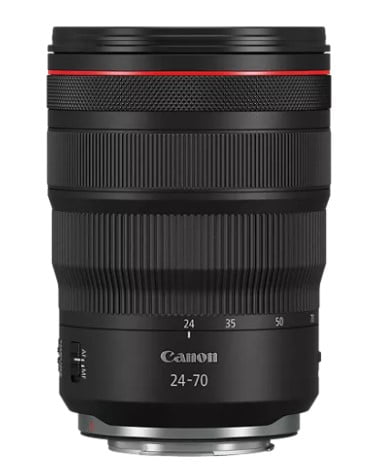
- Best All Around Lens – 24-70 f2.8: (Canon) (Nikon) (Sigma) (Sony)
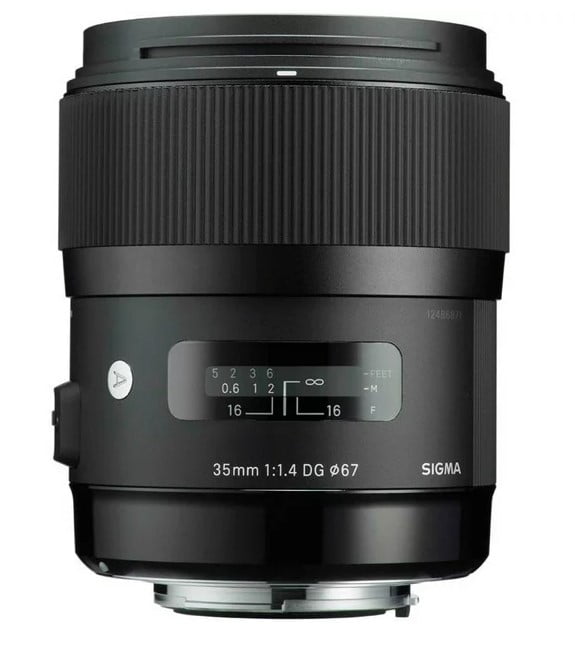
- Best Lens For Nice Locations – 35MM F1.4: (Canon) (Nikon)(Sigma) (Sony)
- Best Lens For Details & Portraits – 70-200 f2.8: (Canon) (Nikon) (Sigma) (Sony)
- Best Lens for Natural Light – 85mm f1.2 / f1.4: (Canon) (Nikon) (Sigma) (Sony)
24-70 f2.8: Best All Around Lens For Boudoir
The 24-70MM F2.8 is a great lens for general boudoir portraiture and even wide angle shots. Generally I use this lens when I want to include a little more background into my clients photos. Basically the nicer the location is, the wider angle lens I use so I can include more of it in her photos. If you’re tight on money and can only afford one professional grade lens for your kit, this would be a very good, boring (in a good way) choice that would give you lots of options.
Check Price
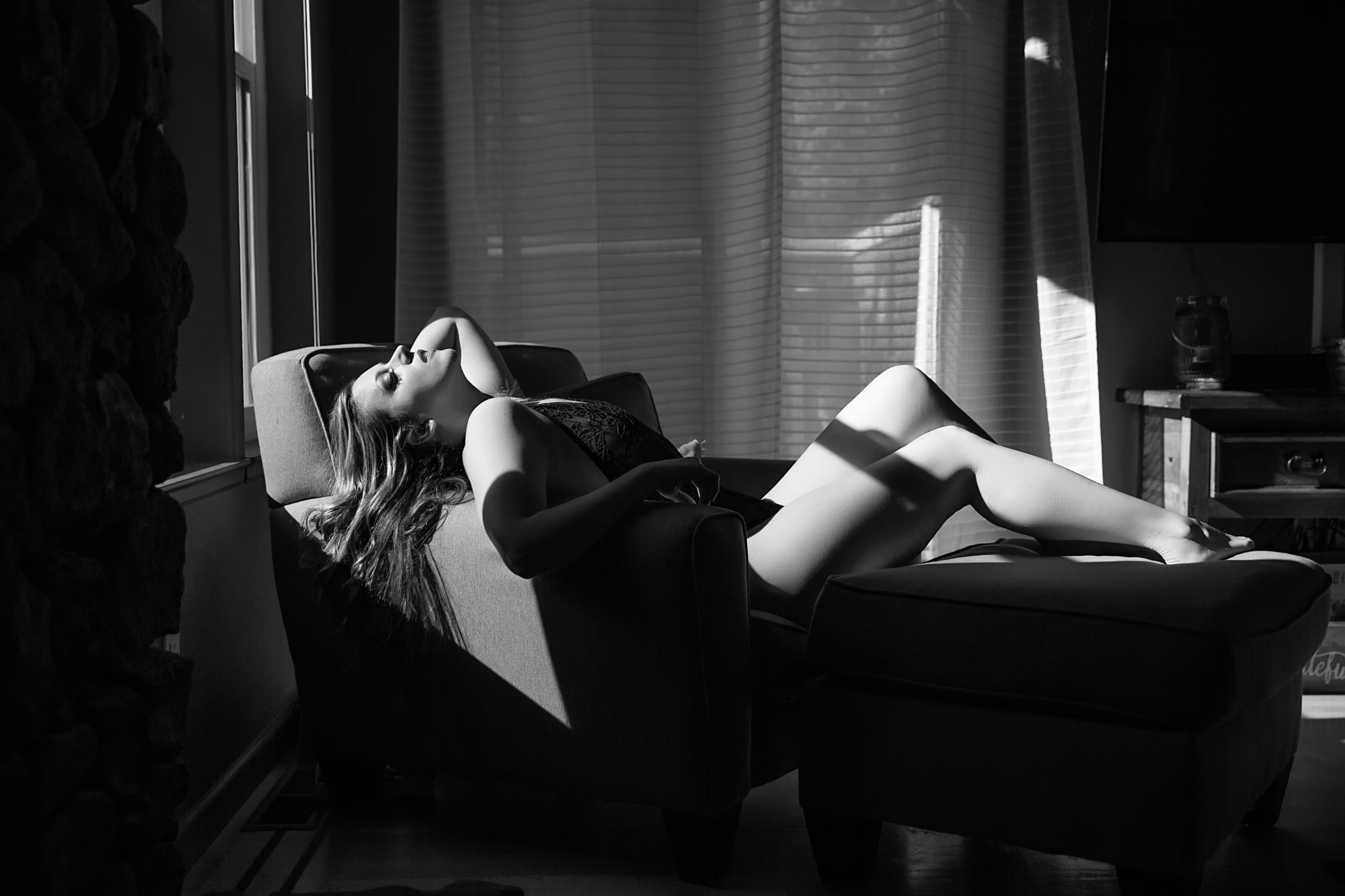
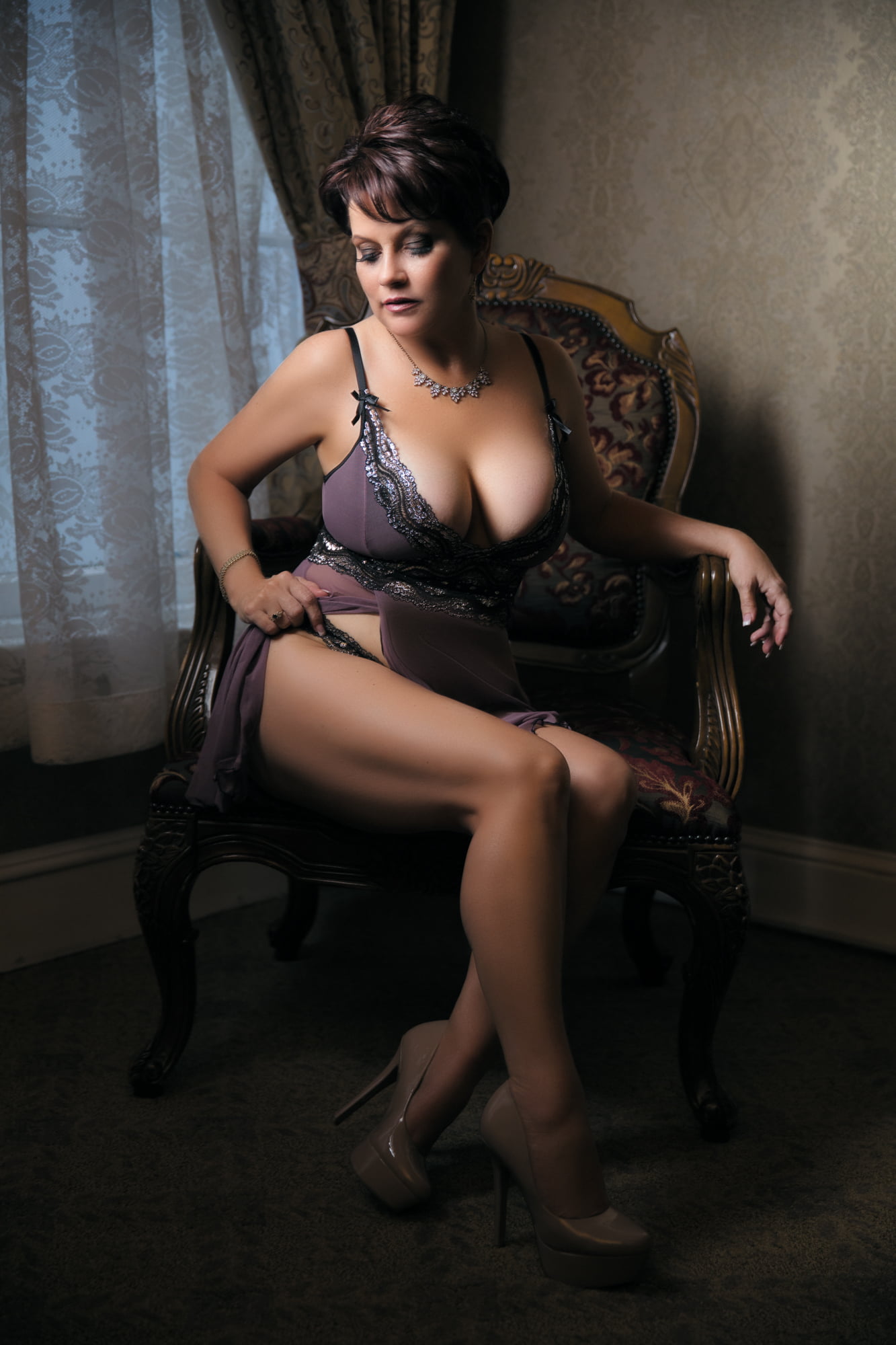
Example Boudoir Photos Captured With 24-70mm Lens


35mm Prime: Best Lens For Boudoir Photo Shoots At Nice Locations
If only had 3 lenses to capture a client with, this lens would be in that collection. The more years I do photography, the more I’ve come to appreciate the quality of prime lenses. There’s nothing quite like the look of photographing a person with really fast apertures at any focal length. The 35MM prime is no exception to this!
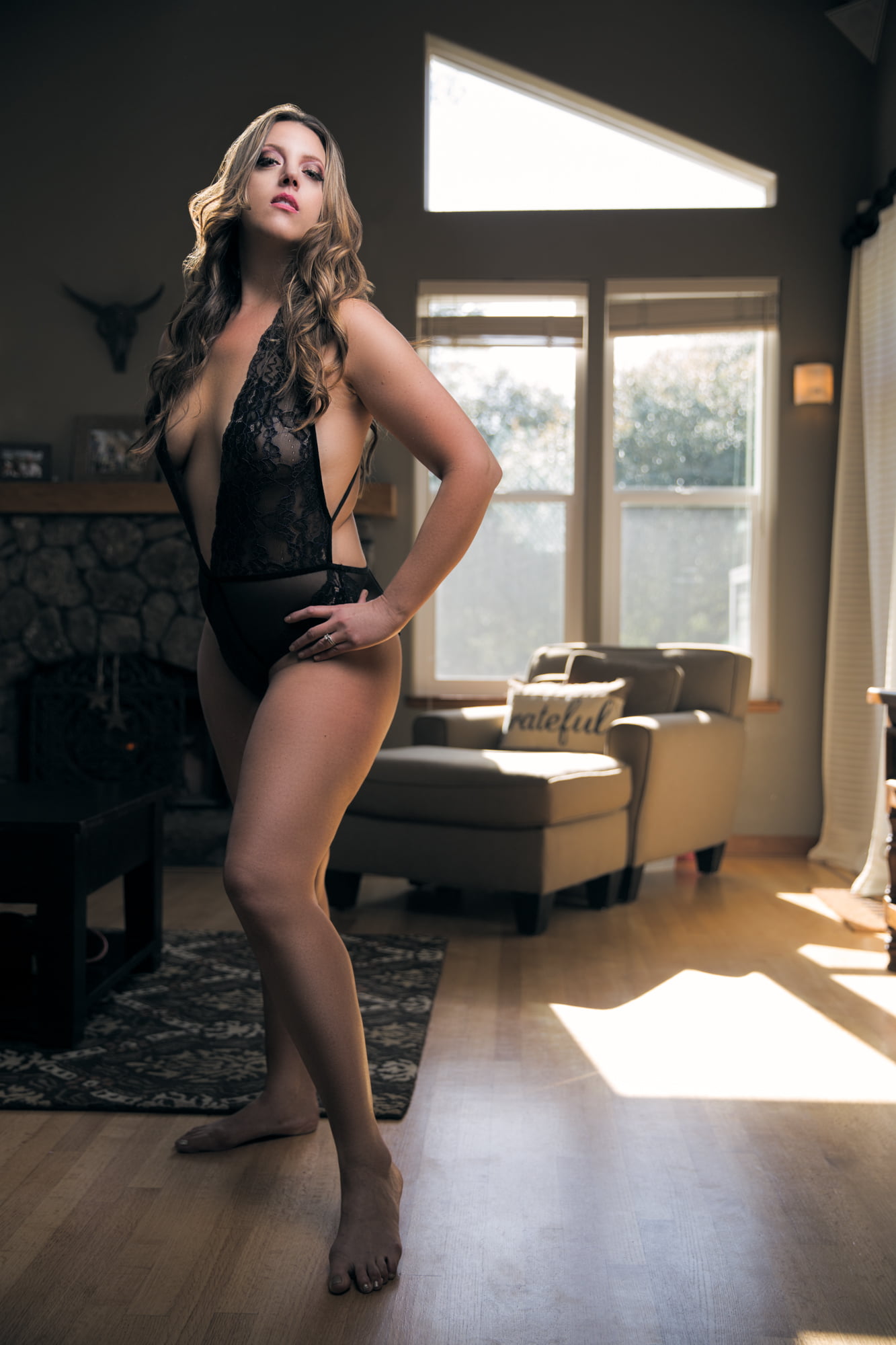
If you’re able to invest in a few solid pieces of glass, this would be my pick for the best lens for boudoir photography when you want to bring the background into the story. It’s also perfect for full-body shots or working in tighter spaces where flexibility matters.
Check Price
Example Boudoir Photos Captured On 35mm Prime Lens


70-200 f2.8: Best Lens For Capturing Boudoir Portraits & Details
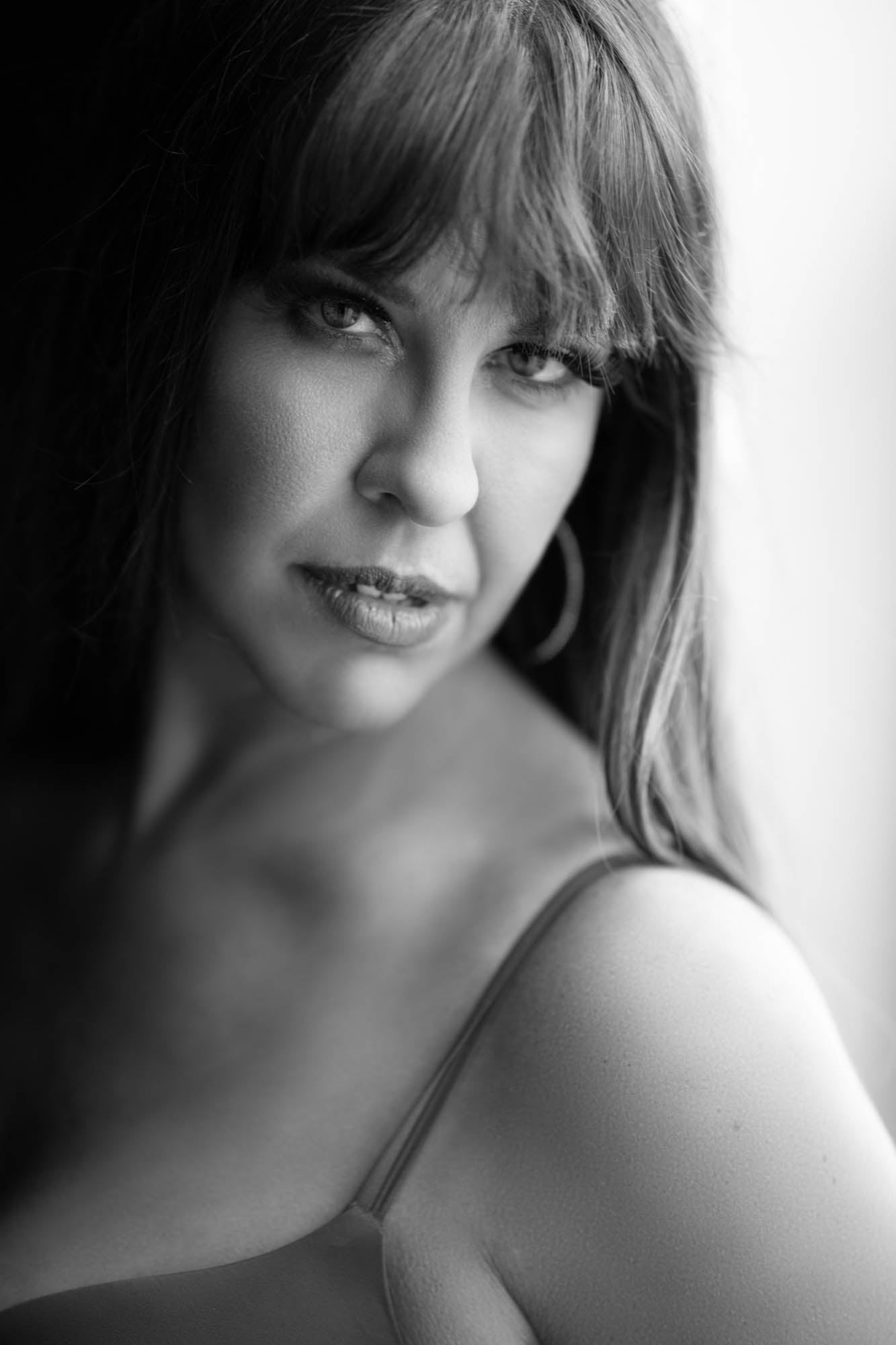
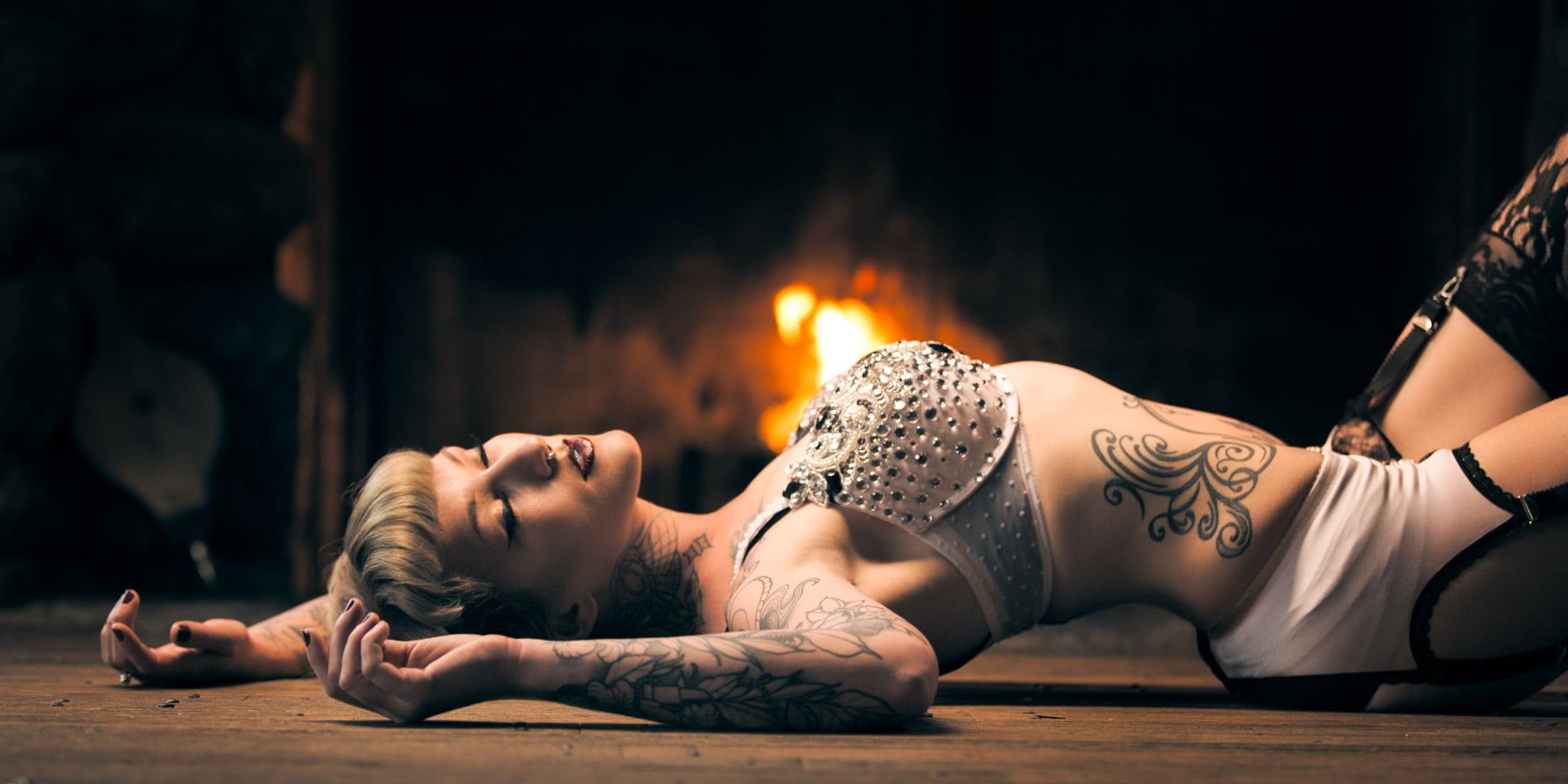
If I could only have one lens to shoot a boudoir session, the 70-200 f2.8 would be mine. If I had to guess I’d say most boudoir photographers would choose the 24-70 f2.8 or maybe a 50mm prime. If you look though my portfolio though, probably >70% of my boudoir photos were captured on this lens.
I like to pick out details with this lens. It’s also my go to lens for capturing close up portraits. So long as I have the space, it’s also my favorite lens for general portraiture in average to sub par locations. With this lens’s long focal length I use it often to cut out the sub par background and keep the attention on the woman.

Check Price
- Adorama: Canon | Nikon | Sigma | Sony
- B&H: Canon | Nikon | Sigma | Sony
- Walmart: Canon | Nikon | Sigma | Sony
Example Boudoir Photos Captured With 70-200mm Lens
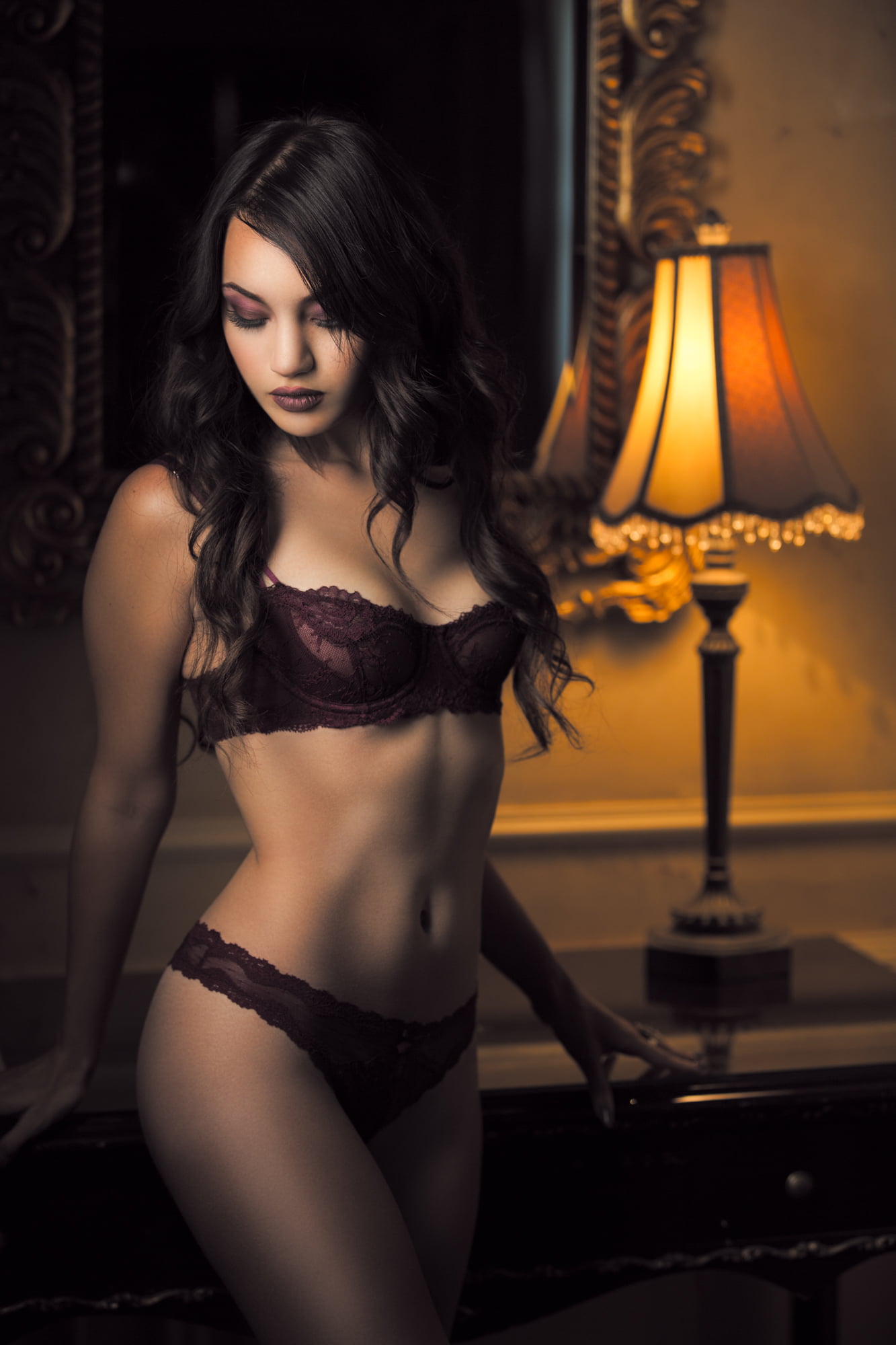
85mm Prime: Best Lens For Boudoir Portraits
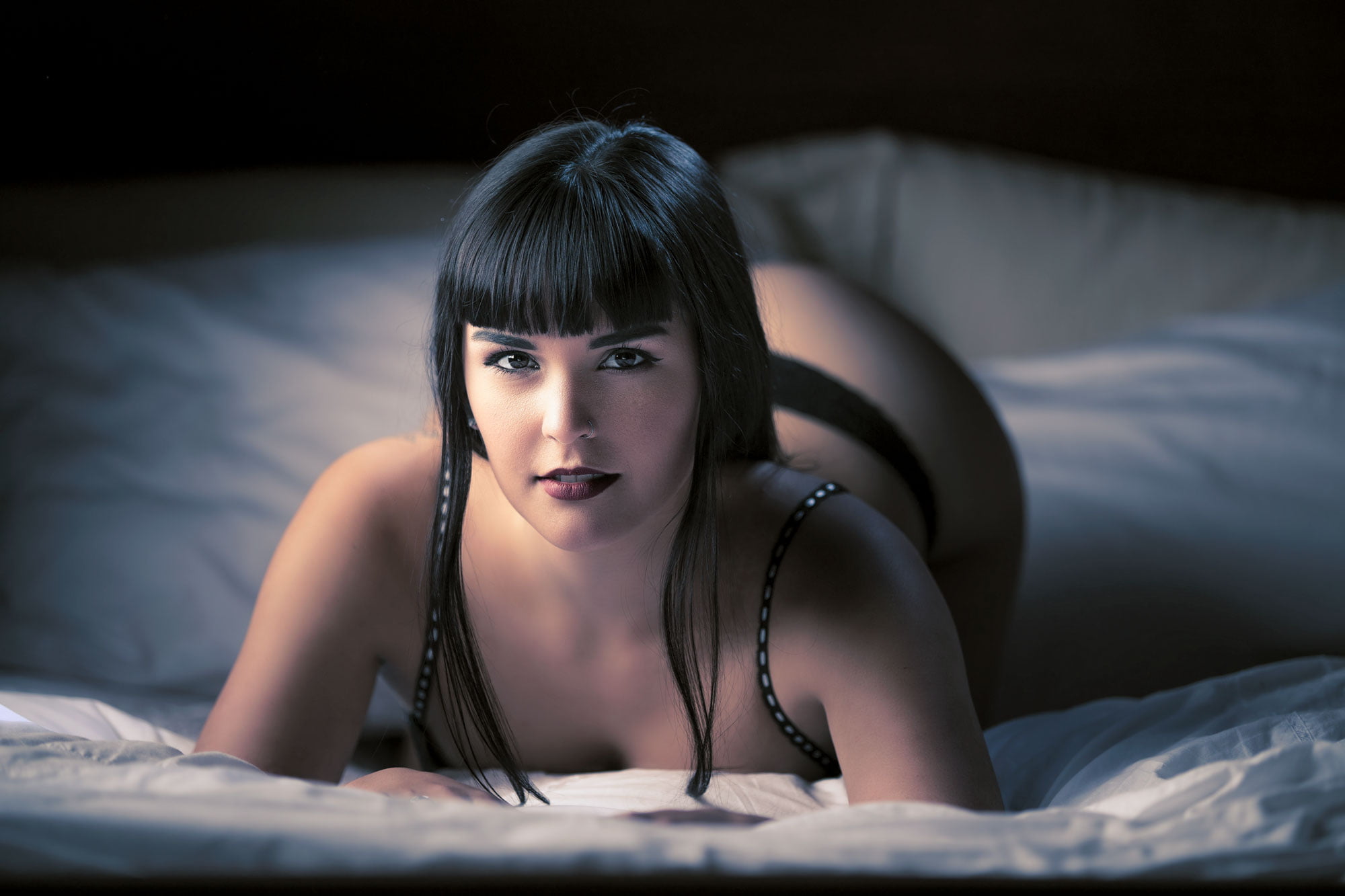
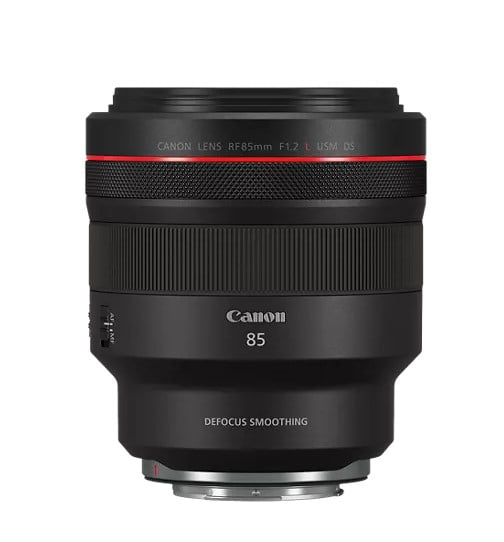
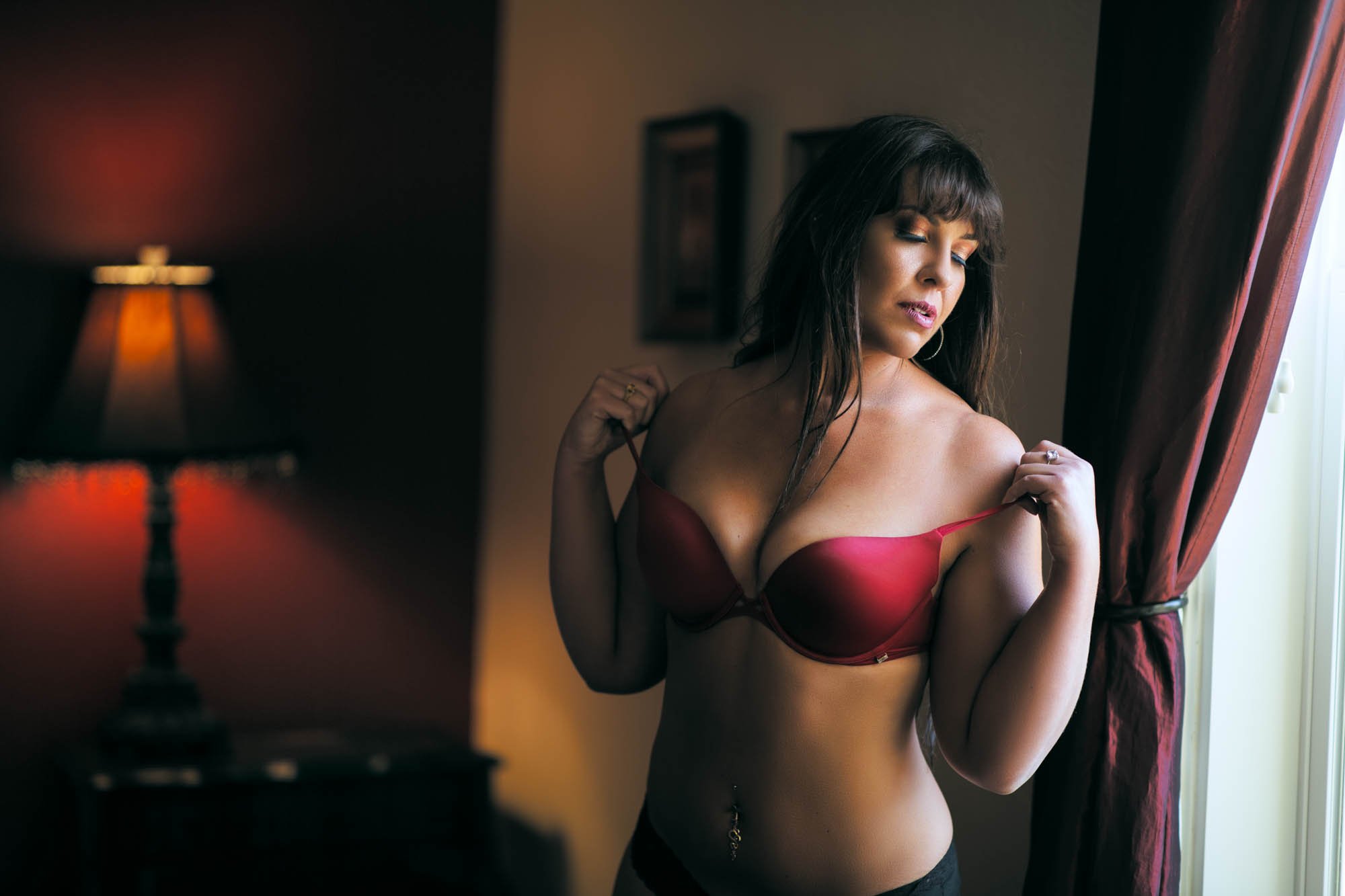
For boudoir portraits this lens is magic at wide apertures. This is arguably my favorite portrait lens for photographing boudoir.
Prime lenses just have a unique look to them because they’re almost always faster than common zooms. This gives you a shallower depth of field and thus a different look then say a 70-200 f2.8 will. If I could only have 3 lenses to shoot a boudoir session with, this would certainly be one of them. It’s a surprisingly versatile and very unique all at the same time.
Check Price
Example Boudoir Photos Captured With 85mm Prime


What’s in My Bag: Lenses I Use For My Boudoir Photography
If I had to pick just one, the 70–200mm f/2.8 would be my choice for the best lens for boudoir photography. I’ve used it in hundreds of sessions, and its ability to isolate details, compress features, and eliminate distracting backgrounds makes it indispensable—especially in average or cluttered locations.
That said, my ideal three-lens kit includes the 70–200mm, a 24–70mm, and a 35mm prime. With those three, I can capture everything from intimate detail shots to full-body portraits in scenic settings. The images throughout this post are from real client shoots, so you can see exactly how each lens performs in practice. If you’d like to see more examples from actual sessions, visit JG Boudoir to explore my portfolio. And if you’re building your own kit, use the links above to compare current pricing from retailers I personally trust.
Hi Jason! Can you chime in on 50mm? I’ve read in some places that 50 is great for beginners too, and trying to learn as much as possible. Thanks!
Hi Lauren! The 50mm is also a great lens if you like the look of that focal length. For instance if you want more background in your photos or want to capture more of the woman’s body a 50mm would be a better choice then say an 85mm. That said for beginners I think telephoto lenses are easier to use then wider angle lenses. The reason for this is because wider focal lengths generally include more of the woman’s body which will show more posing errors. Thus I find telephoto lenses >85mm easier for beginners to use as you’ll generally have to worry about less of the woman’s body in the frame. All of that said, the reason I think most people recommend lenses like the Canon 50mm f1.8 to most beginners is because they’re very cheap. If we’re talking about the easiest lens to make the woman look good, I’d say the 70-200 f2.8 is the most forgiving lens for beginners just learning to pose, but it’s also way more expensive. Hope this helps!